
Reduce AC electricity bill
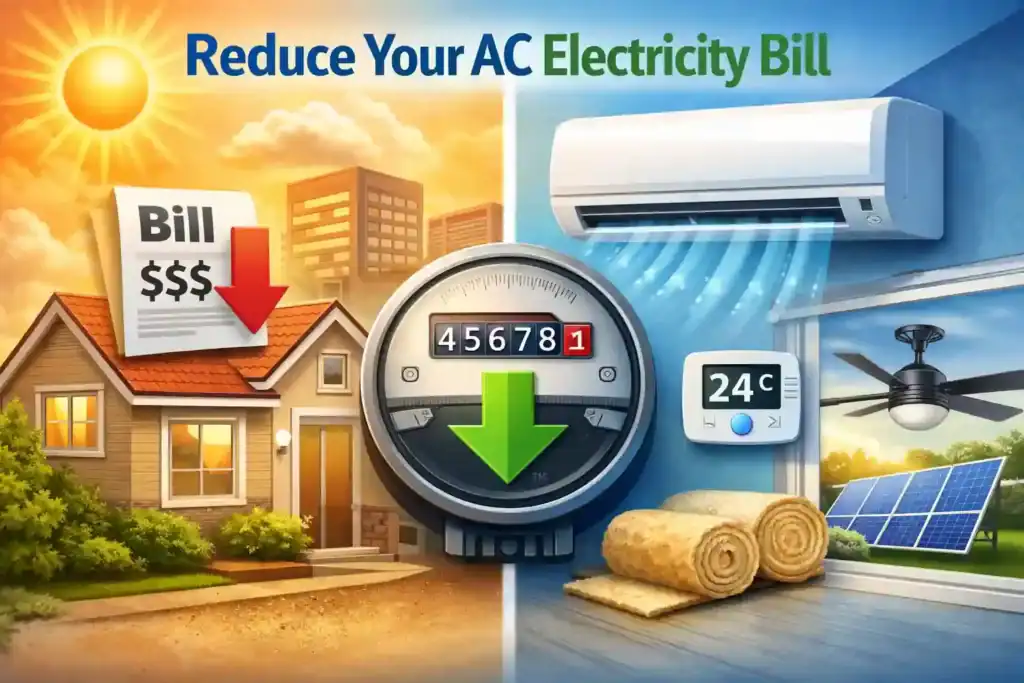
How to Reduce AC Electricity Bill: Practical Strategies for Home and Business
Air conditioning is a lifesaver in hot climates, but it can also be a major contributor to skyrocketing electricity bills. For homeowners and businesses alike, inefficient cooling systems and poor usage habits lead to unnecessarily high energy costs. Understanding how to reduce your AC electricity bill requires more than simply turning the thermostat up or down; it involves a combination of smart technology, regular maintenance, and energy-conscious behaviors.
In this guide, we’ll explore proven methods to lower your air conditioning costs, explain why AC systems consume so much energy, and provide practical strategies for both residential and commercial setups. By the end, you’ll have a comprehensive plan to reduce energy consumption without compromising comfort.
Why AC Bills Are So High
Problem: Unexpectedly High AC Electricity Costs
Many people notice their electricity bill jump during summer months but don’t understand the underlying reasons. Residential bills can spike by 30–50%, while commercial facilities may see even more dramatic increases.
Cause: How AC Systems Consume Energy
Cooling load: The energy needed to maintain a desired indoor temperature rises when outdoor temperatures are high.
Poor insulation: Leaky windows, thin walls, and uninsulated roofs let cool air escape, forcing the AC to work harder.
Old or inefficient units: Older systems can consume up to 30% more electricity than modern, energy-efficient models.
Incorrect thermostat settings: Maintaining extremely low temperatures continuously increases power usage.
Overuse: Running AC for extended hours without breaks unnecessarily increases electricity consumption.
How to Reduce AC Electricity Bill: Effective Strategies
1. Optimize Thermostat Settings
Problem: Many users set AC to very low temperatures, thinking it cools faster.
Solution:
Keep residential thermostats around 24–26°C (75–78°F).
For commercial spaces, maintain 22–24°C (72–75°F) in office areas.
Use programmable or smart thermostats to adjust temperatures automatically during non-peak hours or when rooms are unoccupied.
Tips:
Avoid drastic temperature changes; AC systems consume more energy when adjusting large temperature differences.
In multi-story homes, consider zoning systems to cool only occupied areas.
Mistakes to Avoid:
Setting the thermostat to extreme lows in hopes of faster cooling.
Forgetting to adjust settings during off-hours or holidays.
2. Improve Home and Office Insulation
Problem: Cool air escapes through poorly insulated spaces, forcing AC to run longer.
Causes:
Thin walls, single-pane windows, or leaky doors.
Sunlight entering through large glass windows.
Solutions:
Seal gaps around windows and doors using weatherstripping.
Install double-glazed windows or reflective films to block heat.
Use thermal curtains or blinds to reduce heat gain.
For commercial buildings, check roof insulation and add reflective roofing if needed.
Examples:
A residential home in Qatar reduced AC energy consumption by 15–20% after adding insulated curtains and sealing gaps.
Office buildings using reflective roof coatings can see significant drops in peak energy use.
Tips:
Inspect insulation annually before summer.
Use thermal imaging to identify hidden heat leaks.
3. Maintain Your AC Unit Regularly
Problem: Dirty or worn-out AC components reduce efficiency.
Causes:
Clogged filters restrict airflow.
Refrigerant leaks reduce cooling capacity.
Dust and debris on coils increase energy consumption.
Solutions:
Clean or replace filters every 1–3 months.
Schedule professional maintenance annually for residential units and semi-annually for commercial systems.
Check refrigerant levels and ensure the system is free from leaks.
Clean condenser coils to improve heat exchange.
Examples:
A restaurant in Doha lowered its monthly AC electricity bill by 18% after cleaning coils and replacing old filters.
Tips:
Invest in high-quality filters; they improve efficiency and indoor air quality.
Keep the outdoor unit free from plants, debris, or obstructions.
Mistakes:
Ignoring regular maintenance until the AC breaks down.
Using low-quality refrigerants or delaying repairs.
4. Use Energy-Efficient AC Units
Problem: Older AC units consume more electricity.
Solution:
Upgrade to Inverter AC systems, which adjust compressor speed instead of running at full power constantly.
Look for units with high Energy Efficiency Ratio (EER) or Seasonal Energy Efficiency Ratio (SEER) ratings.
For large commercial spaces, consider VRF/VRV systems (Variable Refrigerant Flow) for zone-based cooling.
Tips:
Even if the upfront cost is higher, energy savings can pay off within 2–3 years.
Combine energy-efficient units with smart thermostats for maximum savings.
Mistakes:
Buying cheaper units without considering energy efficiency.
Ignoring the importance of proper sizing: oversized units cycle frequently, wasting energy.
5. Reduce AC Load Naturally
Problem: Excess heat inside rooms increases cooling demands.
Solutions:
Use fans to circulate air, allowing higher thermostat settings without discomfort.
Block direct sunlight with shades, curtains, or reflective films.
Schedule heat-generating activities (oven use, printing, machinery) during cooler parts of the day.
Encourage natural ventilation at night in residential areas when outdoor temperatures drop.
Examples:
Office managers installing ceiling fans raised thermostat by 2°C, cutting AC energy use by 10%.
Homes using reflective blinds reduced peak cooling needs during afternoon hours.
Tips:
Pair ceiling or standing fans with AC to maintain comfort efficiently.
Avoid using high-power appliances during peak AC usage hours.
6. Smart Usage Habits
Problem: Even efficient ACs waste energy if used carelessly.
Solutions:
Turn off AC in empty rooms; use motion sensors in commercial buildings.
Close doors and windows while AC is running.
Use energy-saving or eco modes if available.
Avoid setting AC to max cooling at night; instead, use sleep modes.
Program timers for predictable schedules in offices or commercial facilities.
Tips:
Encourage staff or household members to adopt energy-conscious behavior.
Consider AC scheduling apps for remote control.
Mistakes:
Leaving AC on all day when rooms are empty.
Frequently opening doors/windows in cooled areas.
7. Optimize Commercial AC Systems
Problem: Large-scale AC systems in offices, malls, or factories consume huge energy.
Solutions:
Implement Building Management Systems (BMS) to monitor and control HVAC operations.
Schedule maintenance for all commercial units, including chillers, air handling units, and ductwork.
Use variable speed drives for compressors and fans to match actual load demand.
Apply demand-controlled ventilation: adjust fresh air intake based on occupancy.
Conduct energy audits to identify inefficiencies and retrofit accordingly.
Examples:
A Qatari office building reduced monthly AC expenses by 25% after installing smart sensors and controlling air handling units by occupancy.
Factories using VRF systems and proper zoning reported up to 30% energy savings.
Tips:
Train facility managers in energy-efficient practices.
Invest in predictive maintenance technologies to prevent unnecessary energy waste.
8. Consider Renewable Energy Integration
Problem: AC electricity bills remain high even with efficiency measures.
Solution:
Install solar panels to offset electricity costs for homes and businesses.
Use solar-assisted air conditioning for large commercial buildings.
Pair solar energy with energy storage batteries to reduce reliance on grid electricity during peak hours.
Examples:
A home in Doha offset 50% of AC electricity usage with rooftop solar panels.
Malls and hotels integrating solar PV systems reported substantial monthly savings.
Tips:
Check for local incentives or subsidies for renewable energy adoption.
Combine solar power with energy-efficient AC for maximum cost reduction.
Common Mistakes That Increase AC Electricity Bills
Ignoring maintenance schedules.
Setting extremely low thermostat temperatures.
Using oversized AC units for small rooms.
Leaving doors and windows open while cooling.
Not addressing insulation or heat gain issues.
Overlooking the benefits of fans and natural ventilation.
Delaying upgrades to energy-efficient systems.
How to Prevent High AC Electricity Bills in the Future
Plan upgrades carefully: choose energy-efficient units based on load calculation.
Schedule routine maintenance for all systems.
Adopt smart thermostats and timers for automatic control.
Improve building insulation and shading.
Educate family members or staff on energy-saving habits.
Consider renewable energy integration to reduce reliance on grid electricity.
Frequently Asked Questions (FAQ)
1. What is the most effective way to reduce AC electricity bills?
Maintaining the right thermostat setting (24–26°C for homes, 22–24°C for offices), combined with regular maintenance, proper insulation, and energy-efficient units, provides the highest savings.
2. Do ceiling fans actually help lower AC costs?
Yes. Fans improve air circulation, allowing you to increase the thermostat by 2–3°C without losing comfort, reducing AC energy consumption by 10–15%.
3. How often should I maintain my AC unit?
Residential units should be serviced annually, and filters should be cleaned every 1–3 months. Commercial systems often require semi-annual professional checks.
4. Can solar panels significantly reduce AC electricity bills?
Absolutely. Homes and businesses in sunny regions can offset 30–50% or more of AC electricity usage with solar energy, especially when combined with energy-efficient systems.
5. Are inverter AC units worth the investment?
Yes. Inverter ACs adjust compressor speed to match cooling demand, reducing energy consumption by up to 30% compared to traditional units, making them cost-effective over time.
6. How does insulation affect AC efficiency?
Proper insulation reduces heat gain, meaning your AC doesn’t have to work as hard. Insulated roofs, double-glazed windows, and sealed gaps can lower electricity bills significantly.
7. Can commercial buildings save money without upgrading AC units?
Yes. Implementing smart scheduling, occupancy-based ventilation, regular maintenance, and proper airflow management can reduce energy costs even with existing systems.
Final Thoughts
Reducing AC electricity bills requires a holistic approach that combines efficient technology, proper usage habits, and proactive maintenance. Whether in a residential setting or a commercial facility, the principles remain the same: reduce unnecessary load, improve efficiency, and use smart systems to maintain comfort. By applying these strategies consistently, you can enjoy cooler indoor spaces without the shock of high electricity bills.